

Let’s start with a uncomfortable story.
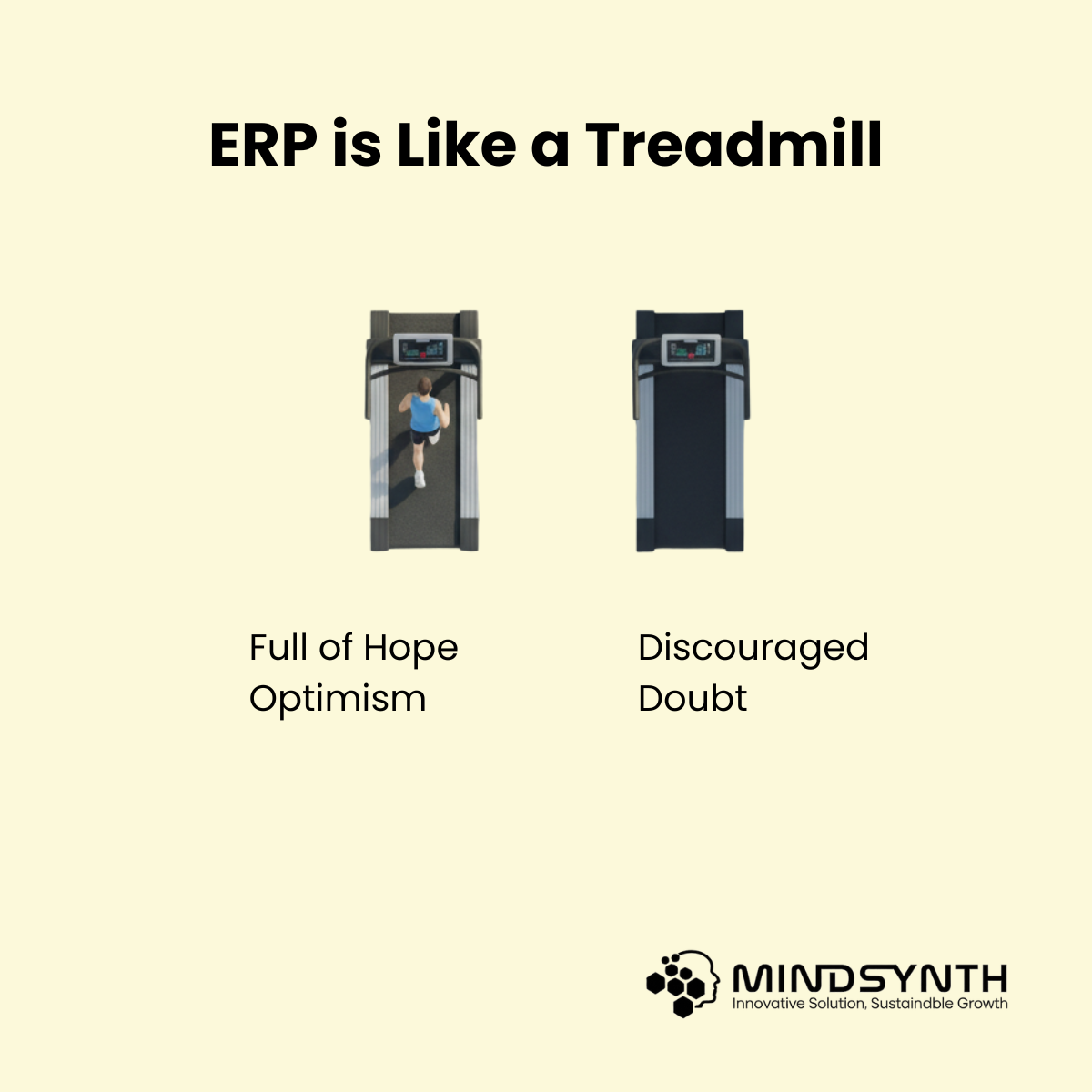
I’ve watched small businesses buy ERP the same way people buy treadmills—full of hope, optimism, and absolutely no plan to change their daily habits. Six months later, the treadmill is a coat rack, and the ERP system is an expensive reporting tool that no one trusts.
This ERP implementation guide for SMBs exists to stop that from happening to you.
What ERP Actually Is (Spoiler: It’s Not a Golden Spoon)
ERP—Enterprise Resource Planning—sounds corporate, large, and expensive. And honestly? Sometimes it is.
But at its core, ERP is just one thing:
a single source of fact for how your business actually runs.
Not how you think it runs.
Not how it should run.
How it really runs—warts and all.
Why Small and Medium Businesses Reach for ERP
Most SMBs hit the same wall:
🔵
Too many spreadsheets
🔵 Sales people making promises that operations can’t fulfill
🔵
Finance taking three weeks to close the books
🔵
Inventory numbers that feel… fictional
ERP doesn’t fix those problems automatically.
It only reveals them. And that’s where most of the people get scared.
The Real Cost of ERP Isn’t Money—It’s Honesty
Everyone obsesses over ERP pricing. Licenses. Consultants. Monthly subscriptions.
That’s not the real cost.
The real cost is answering uncomfortable questions like:
-
Why does the financial team have a different way of doing things compared to the operations team?
-
Why does the sales team keep waiting for the process to be bypassed “just this once” every week?
-
Why is the data not trusted by anyone?
ERP forces alignment. And alignment is painful.

The ERP Implementation Steps
Step 1: Know Why You’re Doing This
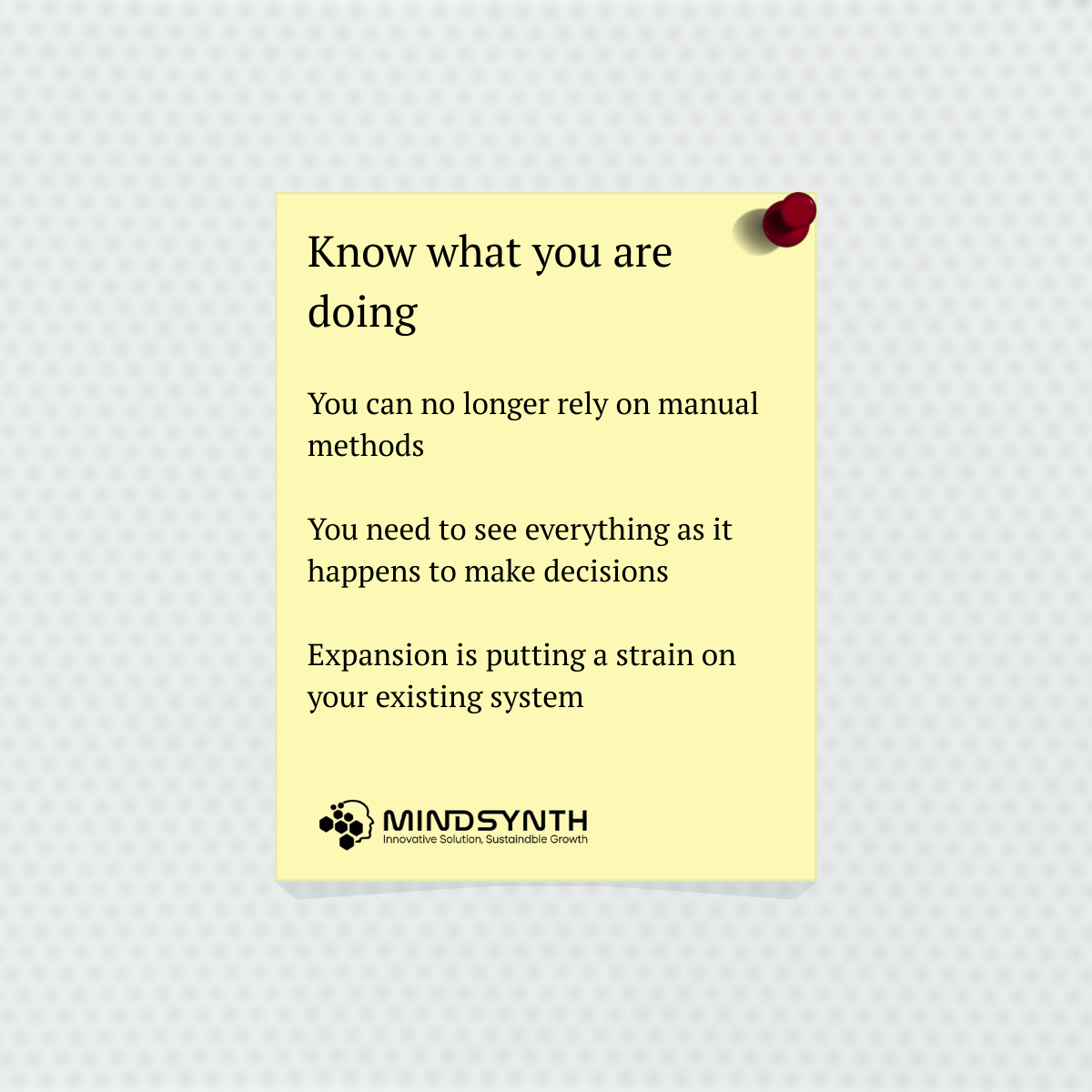
If your reason for ERP fits on a sticky note, you’re ready.
If it sounds like vendor marketing, you’re not.
ERP can be effective only if there is a definite business challenge that needs solving—growing pains, lack of visibility, or operational chaos.
Step 2: Fix Broken Processes First
ERP doesn’t fix bad workflows.
It locks them in permanently.
What to Do Instead
- Document current processes (yes, all of them)
-
Spot the areas where people depend on “tribal knowledge”
- Fix the obvious nonsense before configuration
Step 3: Put the Right People in Charge
You need:
- One decision-maker
-
Department leads who really know the process
-
A person who can say “no” to bad ideas
Consensus kills ERP projects. Leadership saves them.
Step 4: Choose Software That Fits
Ignore flashy demos.
Focus on:
- Industry fit
-
User-friendliness
-
Scalability that you will actually require
For most SMBs, cloud ERP is the least painful option.
Step 5: Clean Your Data
How to Survive Data Migration
- Clean data aggressively
-
Migrate only the data you assume is essential
- Test repeatedly
-
Prepare for breakdowns
There is no such thing as perfect data. “Good enough and trustworthy” is the goal.
Step 6: Customization Is a Drug
Customization gives the feeling of control.
But it is also the reason why ERP budgets go beyond limits.
Every customization:
- Increases cost
- Complicates upgrades
- Creates long-term dependency
Start standard.
Customize only when there’s a clear business advantage, not emotional attachment.
Step 7: Training Is the Difference Between Success and Quiet Failure
People don’t resist ERP because they hate change.
They resist it because they have no confidence in their ability to use the system.
What Works
- Role-based training
- Hands-on practice
-
Clear communication of “what’s in it for me”
ERP adoption is not a technical problem.
It’s a psychological one.
Summary:
🔵 Align goals before software
🔵 Fix processes first
🔵 Keep customization minimal
🔵 Non-stop training
🔵 Treat ERP as a long-term system, not a project
FAQs About ERP Implementation for SMBs
1. How long does ERP implementation take for SMBs?
Typically 3–9 months, depending on scope and discipline.
2. Is ERP worth it for small businesses?
It is only the case if you really want to change the way you operate.
3. What’s the biggest ERP mistake SMBs make?
Thinking ERP will fix organizational problems automatically.
4. Do SMBs need ERP consultants?
Usually, yes—especially the first time.
5. Can ERP scale as we grow?
Certainly, if you make a realistic choice and stay away from overengineering.
6. What happens if ERP fails?
You learn exactly what your business problems actually are. Painful—but worth it.
ERP Implementation Guide for SMBs (That Actually Works)